


4 machining methods for carbon fiber materials
The performance of carbon fiber products is directly related to the processing procedures, so all carbon fiber companies have made great efforts in the production process and have core competitiveness in terms of product performance. The processing of carbon fiber materials requires not only manual operation, but also advanced equipment. Let's take a look at the 4 machining methods for carbon fiber materials.
4 machining methods for carbon fiber materials
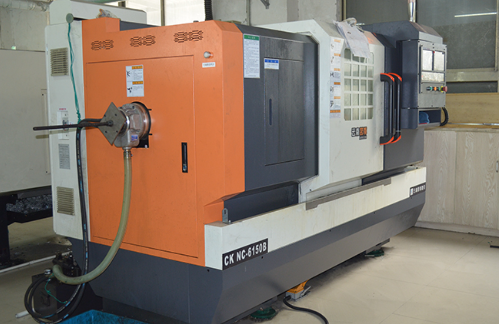
1. Turning: One of the more commonly used processing methods for carbon fiber materials, it is mainly used in the processing of cylindrical carbon fiber products to achieve the predetermined dimensional tolerance. Carbon fiber materials have large rigidity, so turning requires the selection of tools with higher hardness, such as cemented carbide, polycrystalline diamond, etc., to avoid excessive damage to the tool and affect the performance of carbon fiber materials.
2. Milling: It is often used for the processing of carbon fiber sheets and irregularly shaped carbon fiber products, and can also be used for carbon fiber products with higher precision. Milling also has high requirements for tools, because during the milling process, the milling cutter interacts with the carbon fiber material, which easily leads to delamination and burrs of the carbon fiber material, reducing the overall performance.
3. Drilling: Carbon fiber products are usually connected to other components. At present, the better connection method is to use adhesive and mechanical connection at the same time. Mechanical connection requires drilling or even tapping on the surface of carbon fiber products. Drilling requires a drill with high enough hardness. Under high-speed operation, it is necessary to complete the drilling requirements and avoid the risk of carbon fiber material delamination.
4. Grinding: Fields such as aerospace, shipbuilding, and rail transportation have relatively high precision requirements for carbon fiber products, so carbon fiber materials need to undergo multiple milling processes before leaving the factory. Milling will polish the surface of carbon fiber products smooth and flat, whether it is directly assembled or connected with other parts, it can play a good paving role. Studies have shown that under the same grinding conditions, the cutting force of grinding multi-directional carbon fiber composite materials increases linearly with the increase of grinding depth, and is greater than the cutting force when processing unidirectional carbon fiber composite materials.


